Authentic era
Perfection used to control social media. I have noticed that the older it gets, the less refined it seems to become. The overly polished influencer aesthetic that was seen everywhere is being replaced with content that feels more raw and relatable. Whether it’s the candid celebrity photo dumps all over Instagram or just casual ‘get ready with me’ videos, audiences are engaging a lot more with content that feels authentic rather than manufactured.
I see it all around me every day, in brands and companies I love. Hailey Bieber’s beauty brand Rhode, for example, has built a massive online following not by pushing out ads with corporate lingo, but by creating content that, in a sense, feels casual and culturally relevant. From the viral phone case meant to hold her lip glosses (which I own) to the effortlessly beautiful campaigns featuring all the newest stars, such as Sarah Pidgeon, Rhode has mastered the art of making marketing seem almost accidental. In my next post, I want to look more closely at how the company turned “authenticity” into one of the most effective branding strategies on social media.
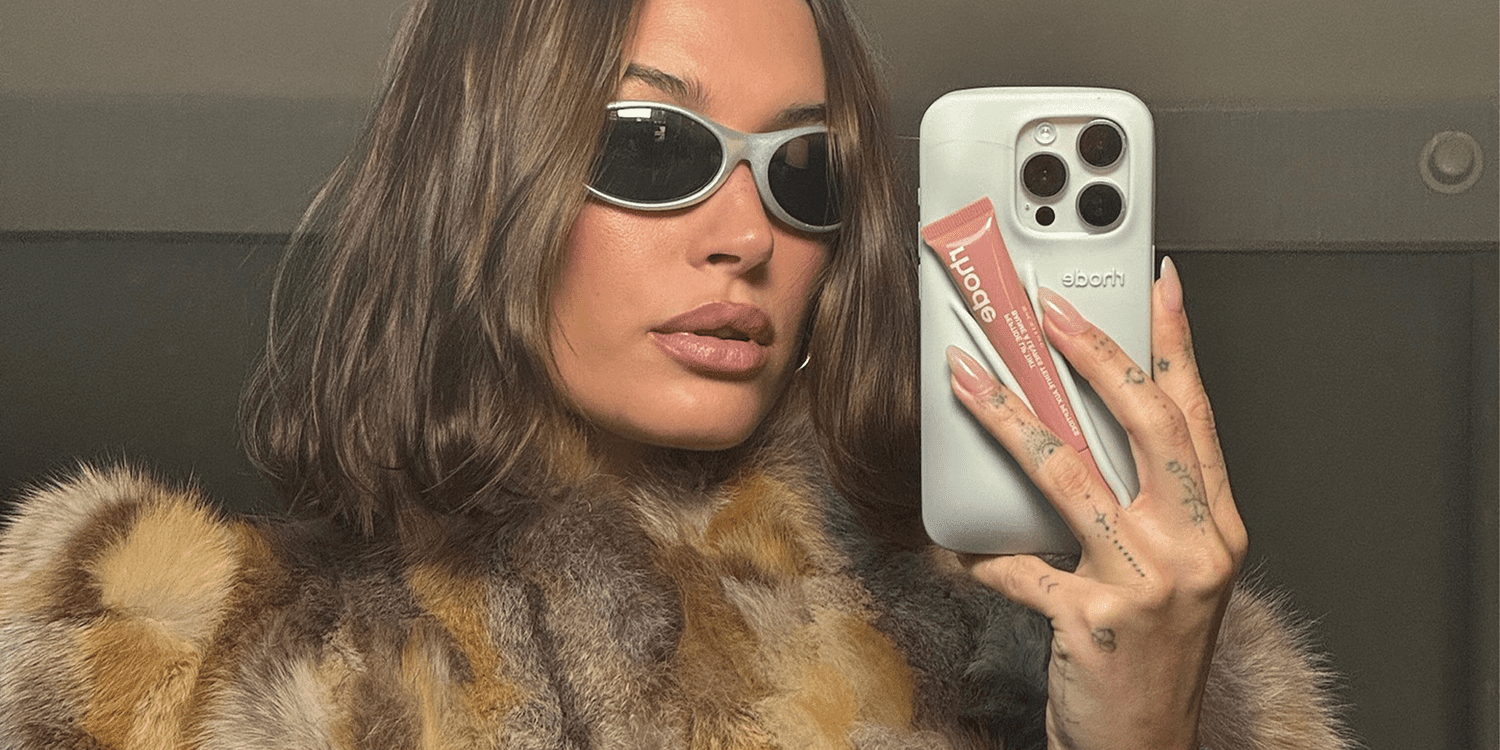

I don’t think Rhode is the only brand doing this either. I like the shift in social media, centering around relatability rather than perfection, because it makes online feel like a space that everyone can be a part of and contribute to. Even some of the most famous celebrities and influencers who used to feel like they were from another world are now sharing overly personal stories and messy behind-the-scenes moments to connect better with their fans. Another one of my favorite examples that I am constantly keeping up with is Emma Chamberlain. Emma has built a massive audience from her conversational and unfiltered content. Rather than always appearing perfectly put together, she (more often than not) bases her content around awkward moments, honest opinions, and making her viewers feel kike they are her actual friends. This feeling of authenticity is what helps keep fans continuously invested.
I think this is also the reason why this style of marketing and communication works so well from a PR perspective. Audiences today are constantly bombarded with ads and highly curated content, so it almost seems inevitable that people are becoming more drawn to brands and influencers that feel genuine and emotionally relatable. Rather than disrupting culture with obvious advertisements, brands are trying to build their own personalities to try to more closely connect with their audiences.
In many ways, relatability has become one of the most valuable tools in PR today because it really helps companies feel more trustworthy and human. The more I learn and think about it, the more I realize how much this type of communication is what shapes my consumption habits. This sort of content determines what I watch, buy, and care about. I honestly can’t tell if I have free will.