As someone who knows she probably shops a little too much, I am also the first to admit how easy it is to justify a purchase when it feels more sustainable. Brands such as H&M excel at this, where green tags and “Conscious” labels turn fast fashion into an experience that feels slightly less guilty.
From a public relations perspective, H&M has successfully established itself as a sustainability-conscious brand. For example, campaigns such as the “Conscious Collection” use all sorts of strategic messaging across social media platforms, in-store displays, and their website to connect with environmentally conscious consumers. This kind of approach is intentional and reflects a clear PR strategy focused on building trust, especially among Gen Z audiences who value not only ethical production but also transparency. The emphasis on recycled materials and clothing return programs creates the narrative that H&M values and practices progress and responsibility.
Fast fashion with a side of slow ethics
*
Fast fashion with a side of slow ethics *
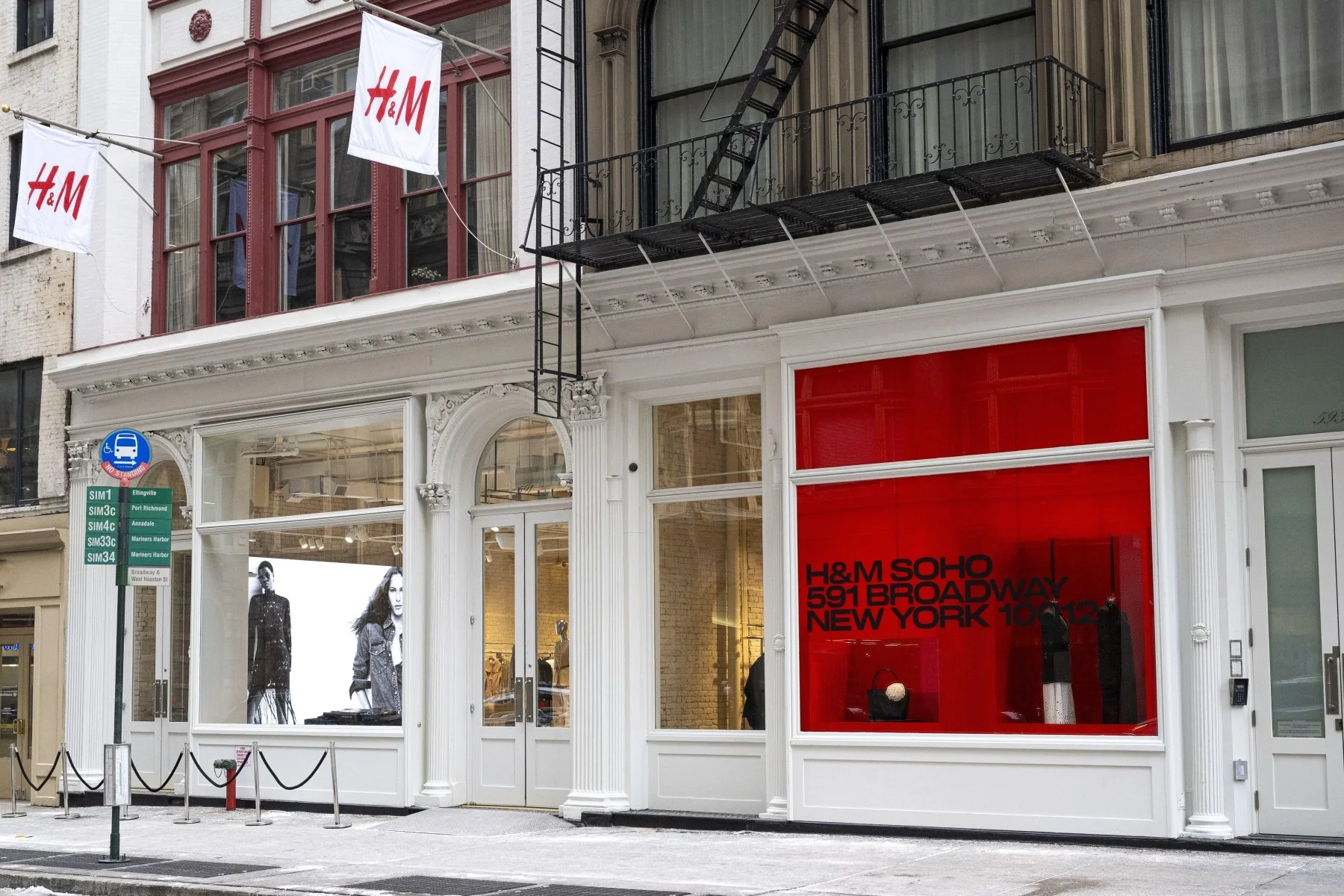

This is where it all seems a little too good to be true. While H&M may talk a big game about sustainability, its entire model is built on fast fashion, including constant new releases, quick trends, and the constant push to purchase more. Most people can see this clear disconnect. The messages they put out may seem responsible, but their actions could not be more opposite. It is, however, a perfect example of greenwashing, where all the positive aspects are highlighted while downplaying the bigger impact.
And that sad reality is…it works. I am embarrassed to admit that seeing a ‘conscious’ label on an item of clothing genuinely makes me feel better about my purchase. This is the bigger problem that not just H&M is guilty of. What brands like these present as corporate social responsibility begins to blur into something that feels solely performative. Instead of making the necessary changes to the fast fashion approach, H&M chooses to rely heavily on sustainability messaging to shape public perception. Here, CSR unfortunately becomes less about actual impact and more about image. So while H&M is not necessarily lying, it does a good job at making sure only certain parts of the story get attention.
Looking at it this way, H&M demonstrates how CSR does not just reflect what a company does, but it also has an impact on how we interpret it. As much as I like to think I make thoughtful choices as a consumer, this made me realize how much those choices are influenced by branding and communication.